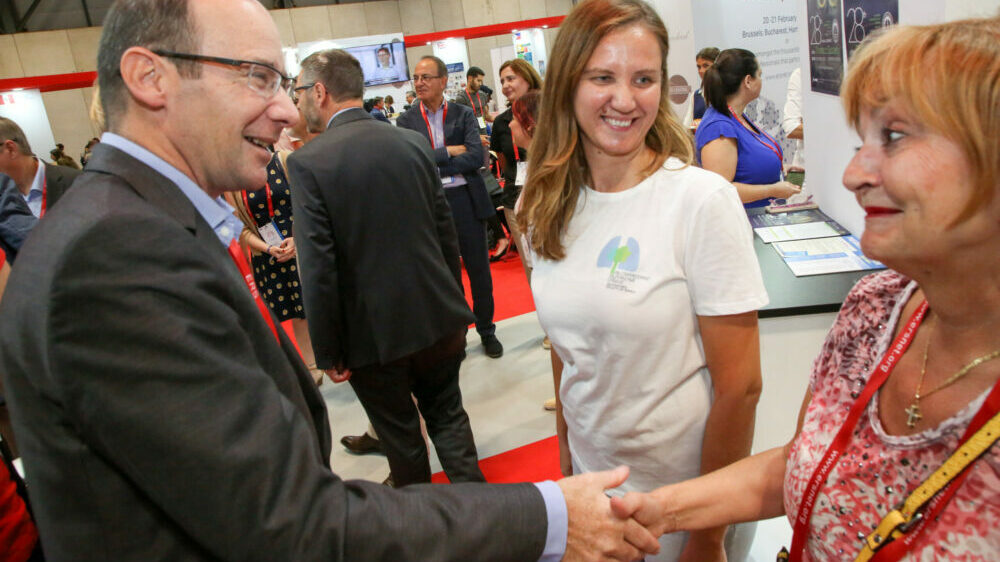
Athénaïs Boucly – ECM Representative
Q. As Early Career Representative of ERS Assembly 13, what are you most looking forward to about this year’s ERS Congress?
I am most looking forward to the opportunity to engage with colleagues from across the world, to share knowledge, and to discover the most recent advances in the field of pulmonary vascular diseases. The ERS Congress is always a unique occasion to strengthen collaborations and to translate new scientific findings into clinical practice.
Q. In your opinion, what will be the highlights for ECMs in Assembly 13 during the ERS Congress?
For Early Career Members, the highlights will include exposure to cutting-edge science, opportunities to interact with leading experts, and the chance to gain insights into both clinical and translational aspects of pulmonary vascular diseases. The selected sessions will provide not only valuable educational content but also a global perspective that can inspire ECMs in their own research and clinical careers.
Q. With this in mind, please tell us your top three session or abstract picks from the congress programme and why?
Session 80 – State of the art session: Pulmonary vascular diseases – Pulmonary hypertension associated with lung diseases: the most burning questions (Sunday 28, 8:30-10:00)
This session will provide key updates on the diagnostic approach, therapeutic options, and novel molecular insights into PH associated with lung diseases which is a topic of high clinical relevance and daily challenge in practice.
Session 365 – Symposium: A global perspective on pulmonary hypertension (Monday 29, 15:30-17:00)
By bringing a worldwide view on epidemiology, diagnostic strategies, and management of PH, this session highlights the importance of international collaboration and sheds light on how social inequality and climate change influence our field.
Session 522 – Respiratory medicine meets other disciplines: Right ventricular phenotypes in heart and lung disease (Tuesday 30, 13:45-15:15)
This multidisciplinary session will address the complex physiology of the right ventricle in diverse contexts, from chronic lung disease to systemic conditions, and will provide insights that are particularly valuable for ECMs interested in cardiopulmonary interactions.