




11 December, 2025
The latest instalment of the ERS Interactive Education video series is now available on the ERS Respiratory Channel.
‘Decoding COPD biology: understanding alarmins, eosinophilic and neutrophilic inflammation’ aims to decode the underlying roles of alarmins and cytokines in driving inflammatory pathways, thereby empowering clinicians to move from reactive symptom management to proactive, biology-driven strategies that improve exacerbation prevention and long-term patient outcomes.
Healthcare professionals often manage COPD through a reactive, one-size-fits-all approach, leading to suboptimal outcomes and missed opportunities for personalised care due to a significant gap in understanding its distinct biological endotypes, namely Type 2 (T2) and non-T2/neutrophilic inflammation. This includes recognising the roles of key upstream drivers like alarmins-such as TSLP in T2 inflammation and IL-33 in neutrophilic inflammation-which orchestrate distinct immune pathways.
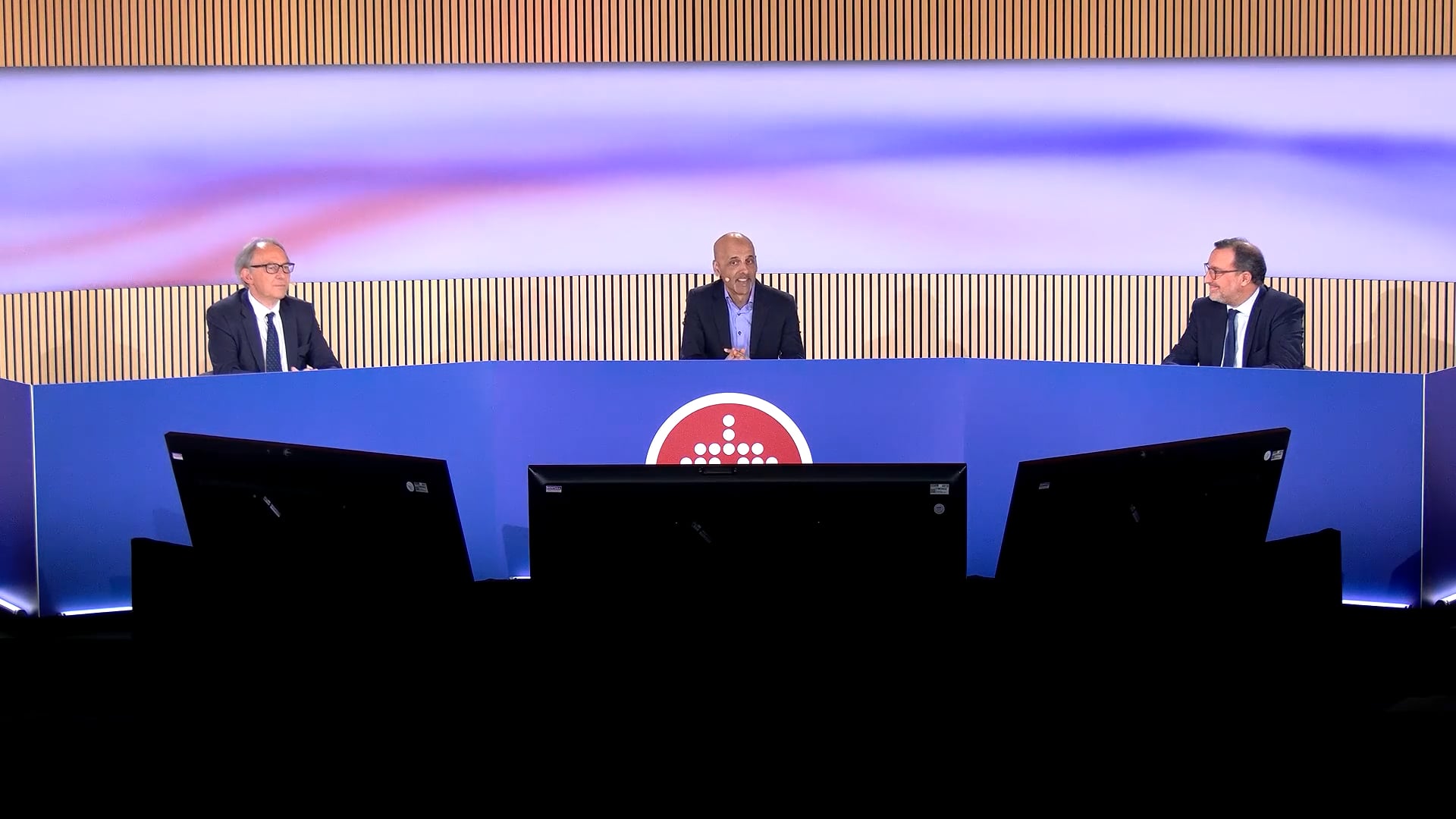
The experts – Prof. Dave Singh, Prof. Renaud Louis, and Dr Bernardino Alcazar Navarette – will guide participants through this topic to enable them to:
- Interpret biomarkers to differentiate between T2-high and neutrophilic COPD.
- Explain the roles of alarmins (TSLP, IL-33) and cytokines in driving COPD inflammation.
- Select phenotype-specific treatments (biologics for T2; azithromycin for neutrophilic).
- Apply a proactive, biology-driven management plan focused on exacerbation prevention.